
This week’s local news sits at the intersection of community scholarships and major technology/business developments. Families are tracking community scholarships and education funding deadlines, including high school senior scholarships and common $1, 000 scholarships, while employers and investors watch AI industry moves that are reshaping hiring, economic development funding, and the pace of the AGI race.
The through line in this local news cycle is opportunity tied to education funding and workforce readiness. When community foundations and nonprofit grants expand support for vocational training scholarships, more residents can train for roles connected to AI data labeling, automation, and IT operations—jobs that grow as companies accelerate AI strategy, build new capacity, and compete in the superintelligence lab era.
Community updates: scholarships, grants, and practical deadlines
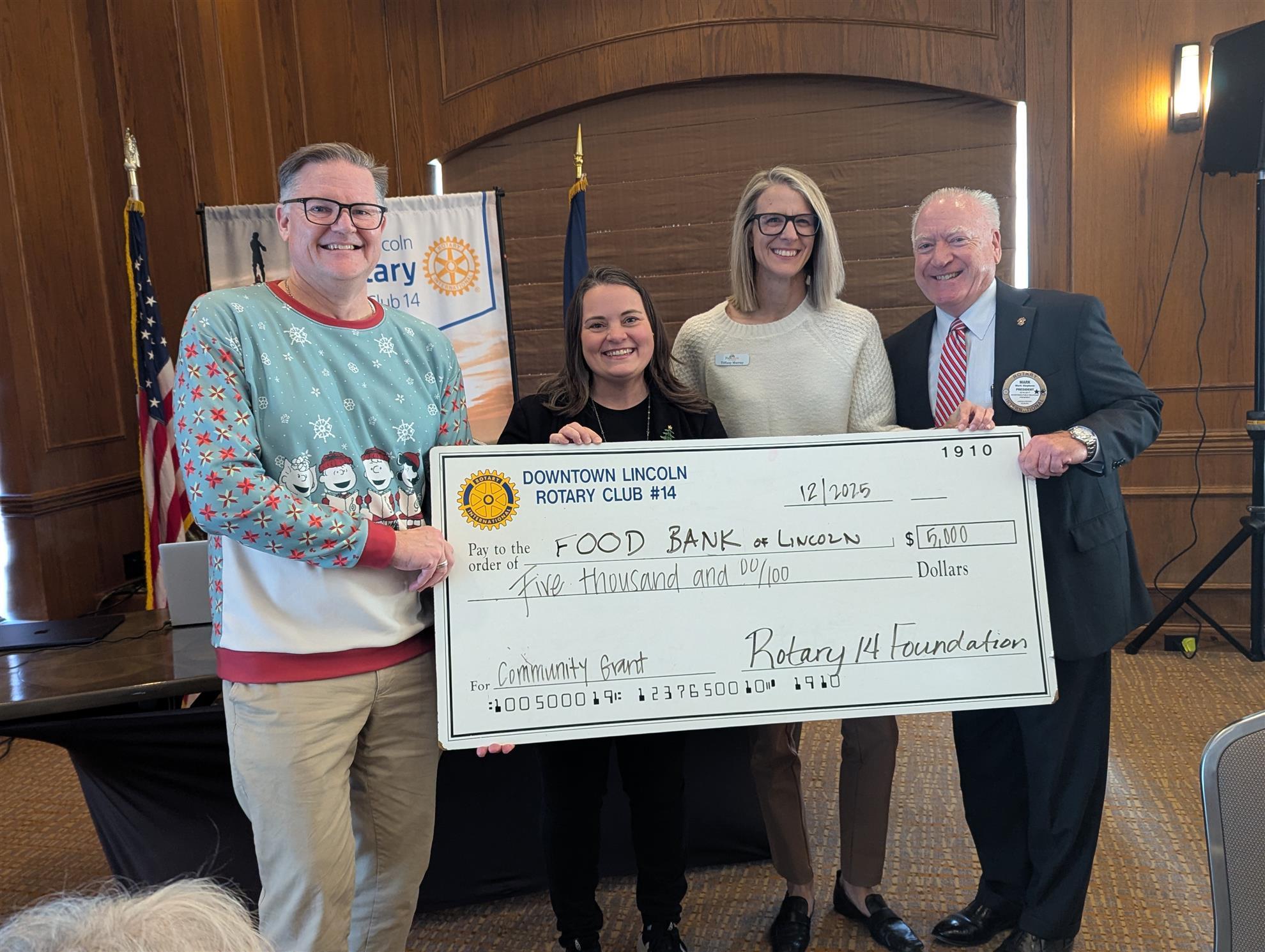
Across local news briefs, community foundations and nonprofit grants are doubling down on people-first support: community scholarships for tuition, vocational training scholarships for credentials, and small-business grants that help local employers modernize. These community scholarships and grants are increasingly framed as economic development funding that keeps neighborhoods stable while technology and business cycles shift.
For scholarship applicants and grant seekers, scholarship application tips matter as much as eligibility. Many community scholarships—including high school senior scholarships and $1, 000 scholarships—now prioritize proof of need, a focused personal statement, and a clear plan for how education funding will translate into a credential, job placement, or measurable community benefit.
Deadlines are tightening for community scholarships, nonprofit grants, and other education funding as funders try to award money early enough to affect fall enrollment, training start dates, and local economic development funding decisions. Treat each scholarship or grant application like a short project: gather documents, confirm references, and leave time for revisions that strengthen your fit with the program.
What funders are rewarding right now
Local committees at community foundations and partners managing nonprofit grants are rewarding applications that connect education funding to outcomes. Strong community scholarships and grant submissions clearly answer: What local problem are you solving? What will you do in the next 90 days? How will you measure success for the community or employer that benefits?
- Clear budgets that show how each dollar will be used, including any matching funds or in-kind support.
- Workforce alignment with local hiring needs such as healthcare support roles, skilled trades, cybersecurity, and IT operations.
- Evidence of community benefit, such as mentoring, internships, or services that reach underserved residents.
- Plans to build durable skills: communication, project management, and digital literacy alongside technical training.
For students pursuing community scholarships, specificity wins—especially for high school senior scholarships and smaller $1, 000 scholarships where reviewers compare many similar applicants. The best scholarship application tips are practical: name the program, the credential, and the role you’re targeting. For business and nonprofit grants, reviewers increasingly favor operational upgrades—secure payments, inventory systems, and customer communication—because these investments support local competitiveness as AI-enabled services raise expectations.
Business and technology: AI is reshaping strategies and spending
On the business and technology side of the local news agenda, AI is moving from pilot projects to core strategy. Companies are consolidating teams, revising procurement rules, and shifting work among employees, contractors, and automated systems—changes that tie directly to the AGI race and to how local vendors position themselves for new contracts.
A key development is how AI budgets are being structured, especially as headlines track moves like the Meta Scale AI investment and the push toward a superintelligence lab model. Instead of one centralized AI spend, organizations distribute costs across customer service, marketing, operations, and compliance—an approach that can speed adoption but also increases the need for consistent standards around data, privacy, and AI data labeling quality.
Hiring signals are changing as AI industry moves ripple into local labor markets. Some firms slow recruitment for tasks that can be partially automated, while increasing demand for people who can evaluate model outputs, manage data pipelines, and support AI data labeling workflows. For job seekers using education funding or vocational training scholarships, the most resilient path is often hybrid: domain knowledge plus comfort working with AI-enabled systems.
What it means locally: jobs, training, and small-business competitiveness
Even when the headline is about a global company, local news impact shows up quickly through vendor requirements, customer expectations, and speed-to-service pressures. Small businesses that once competed mainly on relationships now face competitors using automation to deliver quotes, schedule appointments, and handle basic support—shifts driven by AI industry moves and the broader AGI race.
Local competitiveness is still achievable when small firms pair trust and community knowledge with affordable tech adoption. A neighborhood retailer that improves inventory accuracy and customer notifications can reduce waste and increase repeat visits, and a service business that standardizes estimates can win more bids—exactly the kind of operational upgrade often supported by nonprofit grants and local economic development funding.
Training is becoming the new infrastructure in local news coverage of education funding. Community colleges, libraries, and nonprofit partners are expanding short courses in digital operations, data privacy basics, and practical AI use—programs that align with vocational training scholarships and community scholarships. These stackable options matter for adults balancing work and family responsibilities while trying to stay employable in an AI-shaped economy.
How to act this week: a short, realistic plan
Whether you’re applying for community scholarships, pursuing high school senior scholarships, seeking nonprofit grants, or tracking AI industry moves for your business, the best approach is one concrete step at a time. Turn big local news themes—education funding, economic development funding, and AI disruption. For a closer look at how communities can turn technology growth into stronger school funding, read this practical guide—into a personal timeline and a checklist you can complete.
Pick one scholarship or grant application and finish it, then use what you learn to improve the next submission. Many community foundations and scholarship committees notice applicants who reapply with clearer goals, better references, and stronger alignment to vocational training scholarships or education funding priorities.
Keep your materials ready for community scholarships and grants: a one-page résumé, an updated transcript or credential list, and a short statement describing your goal in plain language—core scholarship application tips that also help with nonprofit grants. For businesses, prepare a simple overview of operations and a specific upgrade you want funded so you can respond quickly when local economic development funding opportunities open.
The bigger local news story is that community scholarships, nonprofit grants, and AI industry moves now reinforce each other. Education funding can move residents into roles created by AI data labeling, automation, and new tech investment—while developments like the Meta Scale AI investment and the superintelligence lab push accelerate the AGI race and raise the bar for local competitiveness. The winners won’t be those chasing every trend, but those using community foundations, scholarships, and smart planning to build steady, documented progress.